Affiliate disclosure: As an Amazon Associate I earn from qualifying purchases. This guide contains affiliate links; buying through them may earn this site a commission at no additional cost to you.
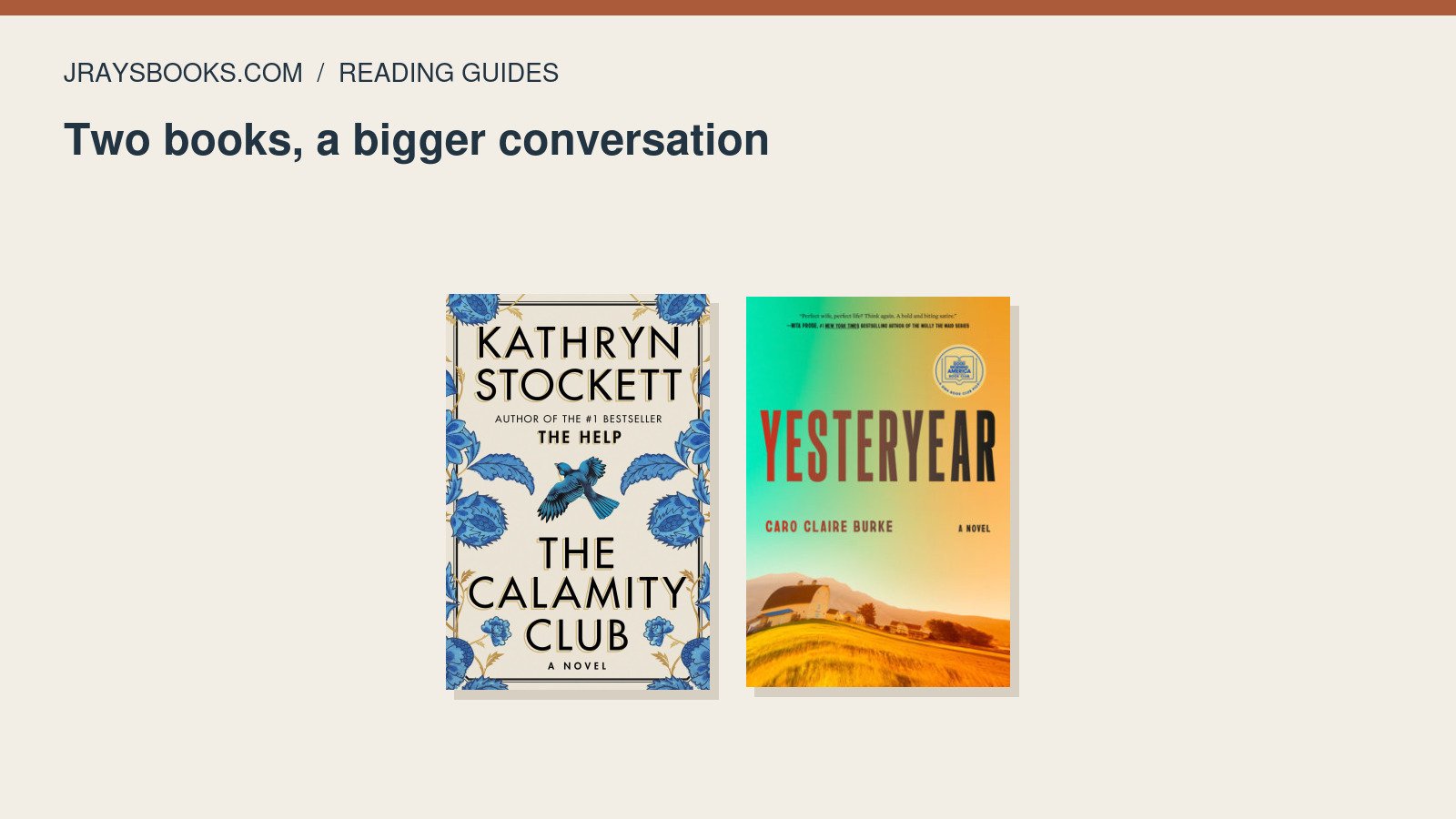
Choosing a book for a group is partly choosing the conversation you want afterward. Do you want to talk about people finding a way through material hardship, or a woman discovering what an idealized past actually asks of her? The Calamity Club and Yesteryear both invite questions about women’s lives, rules, and power. They get there by very different routes. Neither should be described simply as another twisty thriller.
Quick choice: Choose The Calamity Club for a historical ensemble and an unlikely alliance. Choose Yesteryear for an abrasive antiheroine, online performance, and dark speculative satire.
These are premise-based reading recommendations, informed by author and publisher descriptions—not firsthand reviews or a ranking of sales. Linked formats and publication details are identified below so you can compare editions.
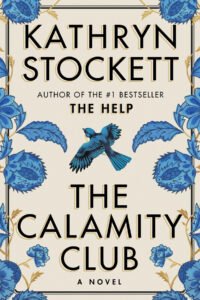
Choose this for women trying to make room for themselves in 1933 Mississippi
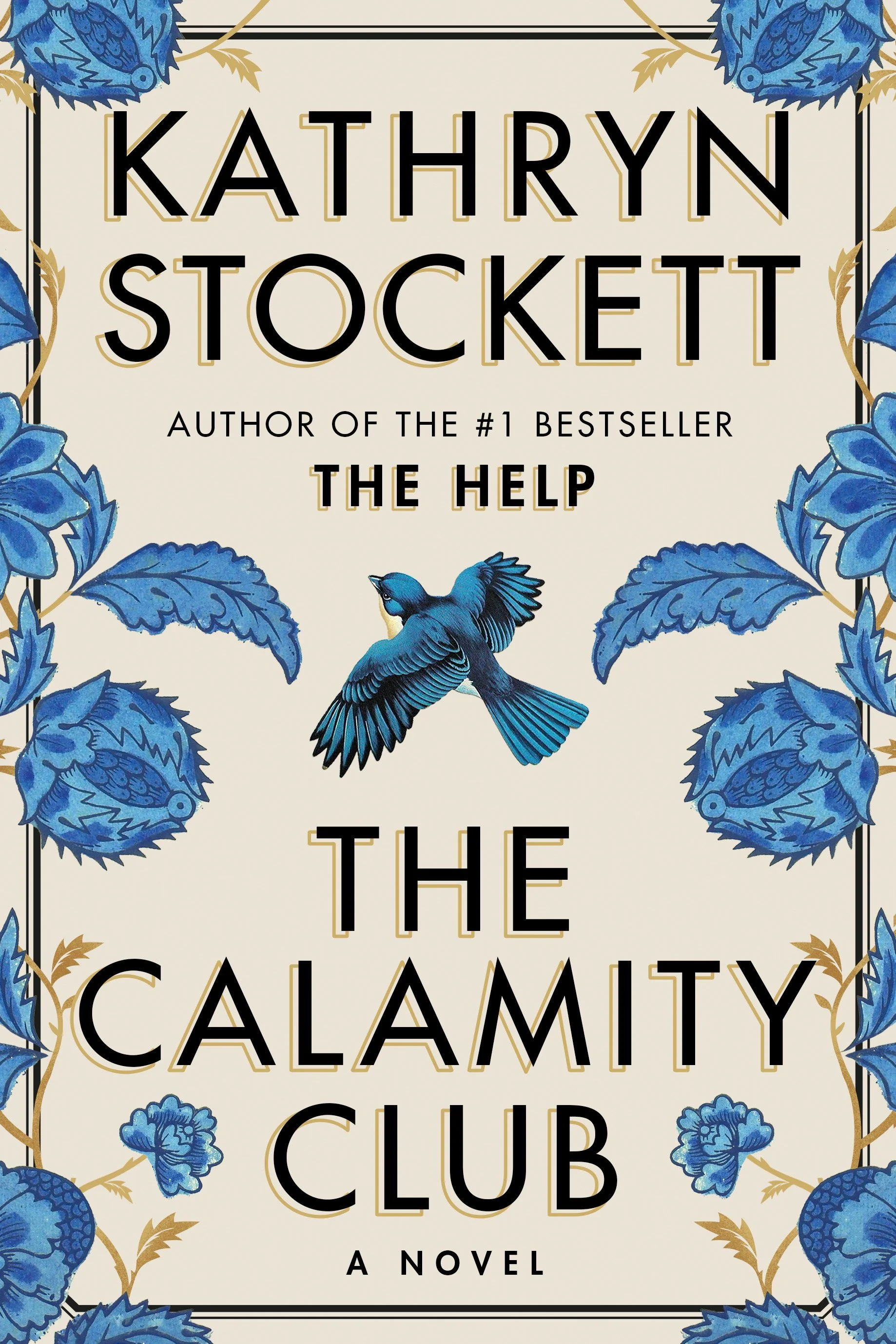
1. The Calamity Club
In Oxford, Mississippi, eleven-year-old Meg Lefleur is growing up in an orphan asylum after being abandoned by her mother. Birdie Calhoun arrives seeking help for her struggling family and finds her sister’s comfortable life less secure than it looks. Charlie, with few options left, becomes part of the plan that brings their circumstances together.
The reason to put this on a discussion list is the gap between the lives people are expected to accept and the lives they try to build. Money, social respectability, age, and gender all affect which doors are open. An unlikely alliance gives readers something more concrete to discuss than a general celebration of strong women: what does cooperation actually make possible when individual choices are so limited?
If your group likes a recognizable historical setting and several lives gradually intersecting, start here. The Depression-era backdrop is not just an aesthetic. Financial desperation gives the women’s choices their urgency, and Meg’s age makes the question of who receives protection particularly pointed. This is historical fiction—not a detective novel, and not a sequel to The Help.
We would pair it with a conversation about the difference between respectability and safety. A community can insist it knows what is proper while doing very little for the people with the least power. You do not have to agree with every character’s choices to find that contradiction worth discussing.
Best fit: Book clubs that prefer historical settings, intersecting lives, and questions about friendship under pressure.
Know before you pick: Abandonment, institutional childhood, poverty, and restrictive treatment of women. A lively premise does not make the underlying circumstances light.
A question to take into the book: When a community’s rules keep people vulnerable, what does it cost to break them?
Linked edition: Hardcover · May 5, 2026. ISBN 9781954118812. Covers and formats can vary; check the selected edition before ordering.
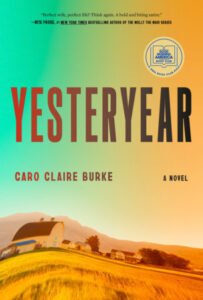
Choose this for a carefully curated life colliding with an inconvenient past
2. Yesteryear
Natalie Heller Mills has built an online identity around an idealized traditional home. What followers see is not the full production. Then she wakes in an apparent 1855 version of her life, where the work she once presented as an attractive lifestyle requires exhausting physical labor—and the question of how she got there has no comfortable answer.
This is the pick for a group that enjoys being provoked. The premise turns nostalgia into a practical test: which parts of the past do people actually want back, and which modern conveniences quietly make the fantasy possible? That makes it especially relevant for readers weary of perfect kitchens, perfect families, and the suggestion that everybody else has discovered a simpler way to live.
We would recommend it for the collision between image and labor, not promise a charming time-travel romance. Burke’s setup mixes social satire, speculation, and psychological unease. Natalie is not designed around making a reader comfortable, and a group willing to separate a compelling character from a likable one is likely to have more to discuss.
Keep the mechanism of the story out of your pre-reading research. The publisher deliberately leaves open whether Natalie’s predicament is time travel, a manufactured experience, or something else. That uncertainty is part of the invitation. A spoiler-free conversation can still ask who benefits when someone’s life is marketed as the ideal everyone else should aspire to.
Best fit: Readers who like abrasive antiheroines, dark satire, and fiction about online identity.
Know before you pick: Violence, injury, ideological conflict, and disturbing domestic material. Not a comforting historical escape.
A question to take into the book: When does sharing a lifestyle become selling an impossible standard?
Linked edition: Hardcover · April 7, 2026. ISBN 9780593804216. Covers and formats can vary; check the selected edition before ordering.
Which one fits your reading mood?
For a calmer discussion, ask everybody to bring one example of a rule in the book that benefits somebody other than the person expected to obey it. If you read both novels, compare how money changes the meaning of choice. An option that looks simple from a distance may be unavailable to a character without resources, safety, or social permission. Before choosing either, agree on content boundaries and make it easy for someone to opt out. Neither discussion needs to become a test of whose experience of womanhood is the correct one.
For another reading mood, explore our related reading guide.
Book details and sources
Author, publisher, and distributor listings were checked on October 18, 2026. These establish the premises and editions; they do not make every character’s account or every nonfiction argument an independently verified fact.
- The Calamity Club — author or publisher details; cover: author, publisher, or distributor image.
- Yesteryear — author or publisher details; cover: publisher image.
No live prices, availability promises, star ratings, or bestseller positions are quoted. Library borrowing is also worth considering before purchasing a book or a full series.